STEM Education
Hands-on training in the technologies shaping tomorrow.
Learners build confidence in coding, robotics, artificial intelligence, electronics, IoT, AutoCAD, 3D design, drone technology, and emerging technologies.
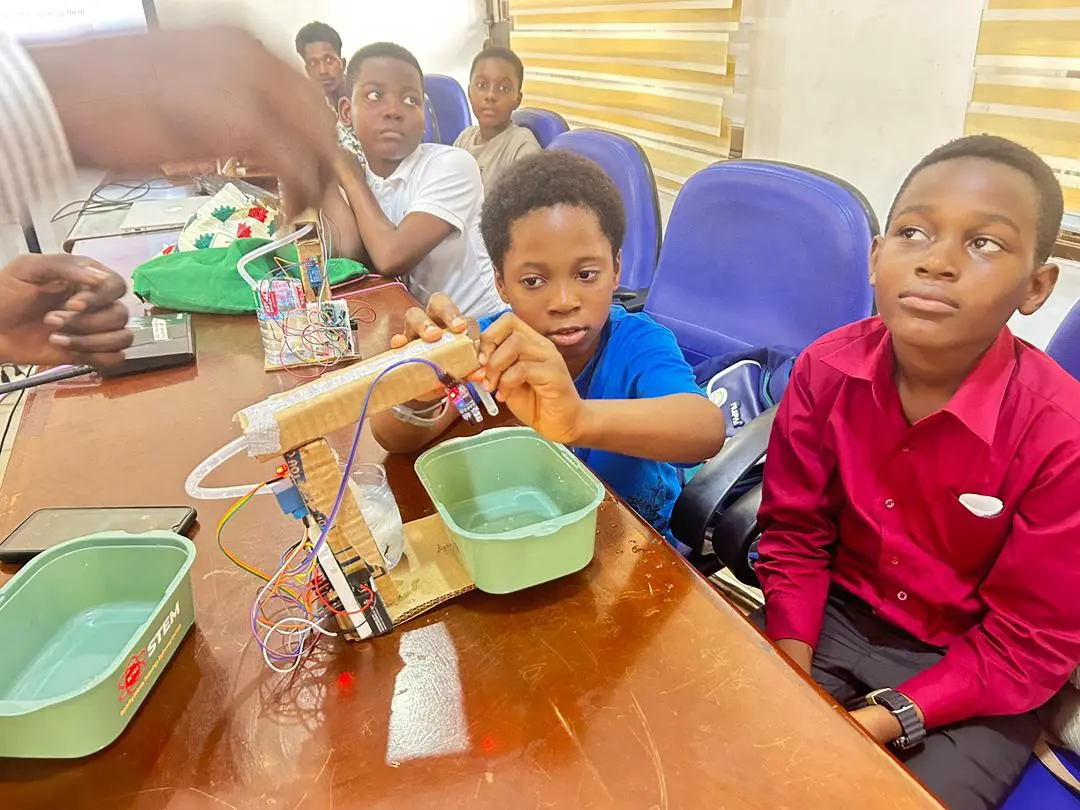
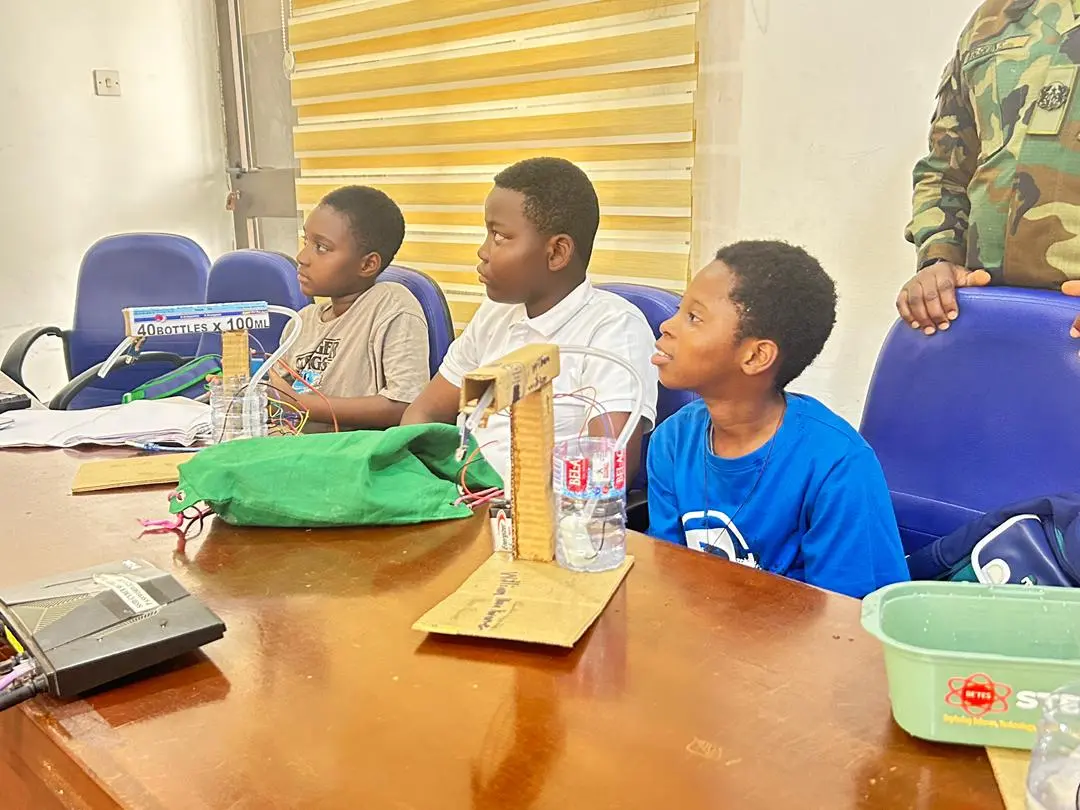
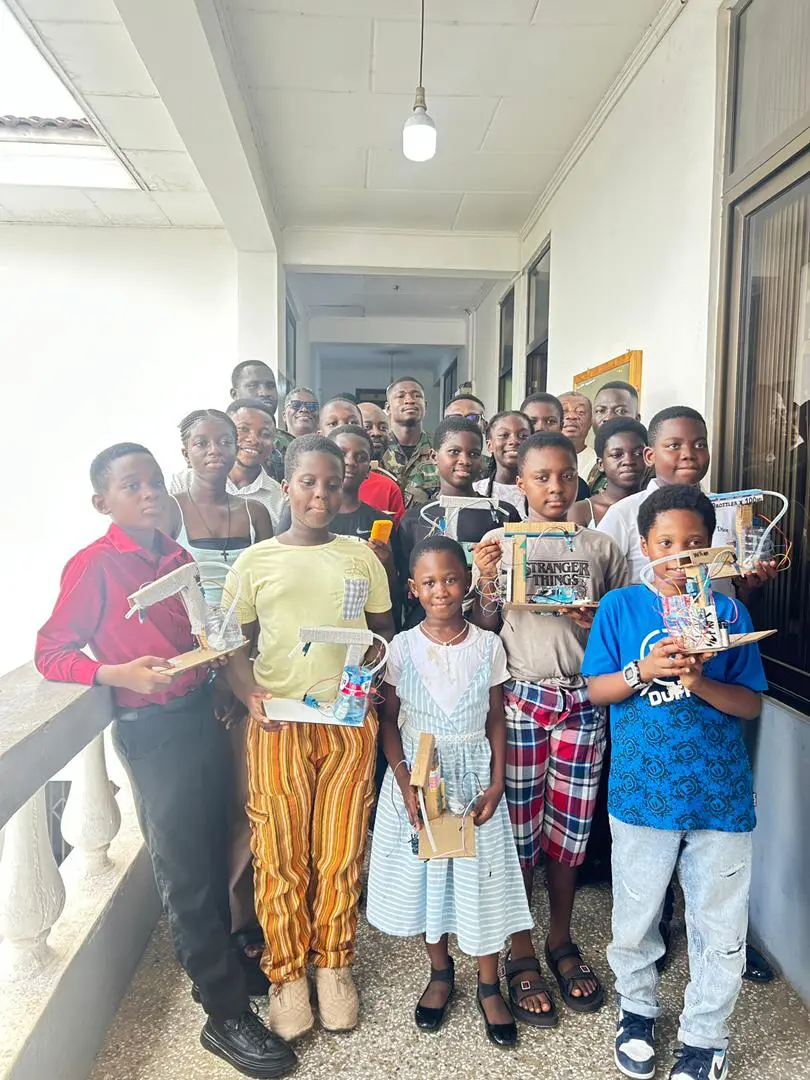
STEM at De'FES is project-led. Learners work with real tools, build prototypes, and present solutions — not just memorise concepts.
Programme tracks in detail
Coding and programming
Learn programming fundamentals, logic, and problem decomposition using languages and tools suited to the learner's level — from block-based coding to text-based development.
Robotics
Build, programme, and test robotic systems — developing mechanical assembly, sensor integration, and iterative design skills.
Artificial intelligence
Explore AI concepts, data patterns, and practical applications — understanding how intelligent systems are designed and applied.
Internet of Things
Connect sensors, microcontrollers, and networks to build smart systems that collect data and respond to real-world conditions.
Electronics and embedded systems
Work with circuits, microcontrollers, and components to design, build, and troubleshoot electronic systems.
3D design and printing
Create digital models and produce physical prototypes using 3D design software and additive manufacturing tools.
Drone technology
Understand drone components, flight principles, programming, and safe operation for educational and practical applications.
AutoCAD and technical design
Develop precision technical drawing and design skills using industry-standard CAD tools for engineering and construction projects.
Age and level guidance
Delivery formats
Facilities and equipment
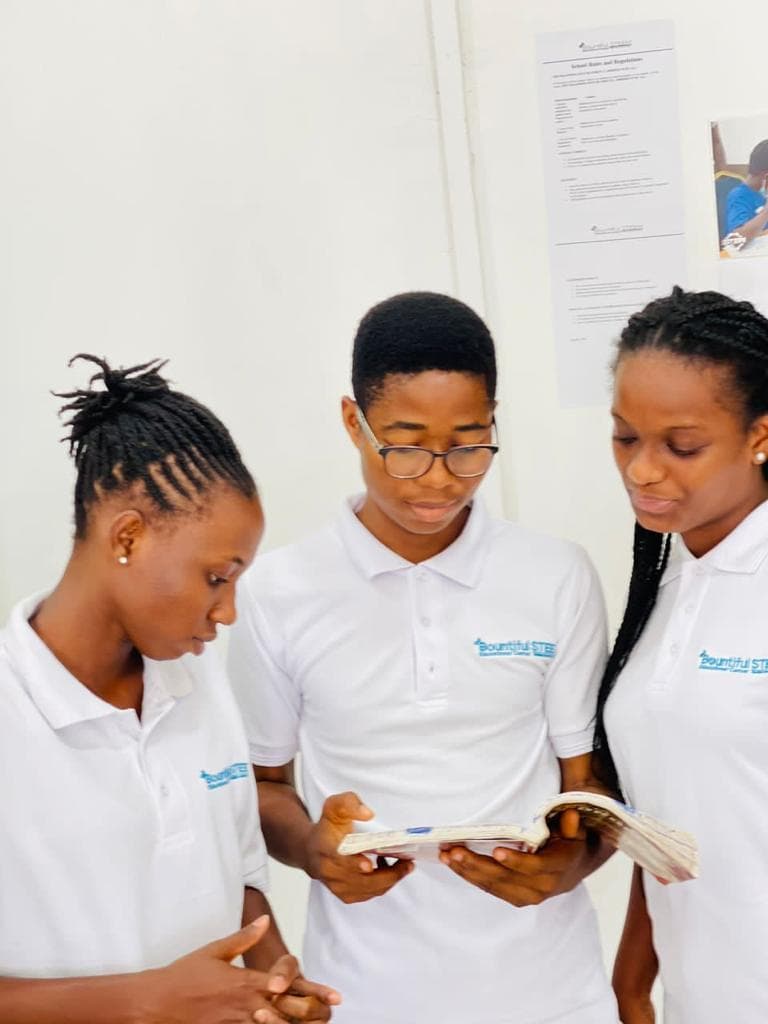
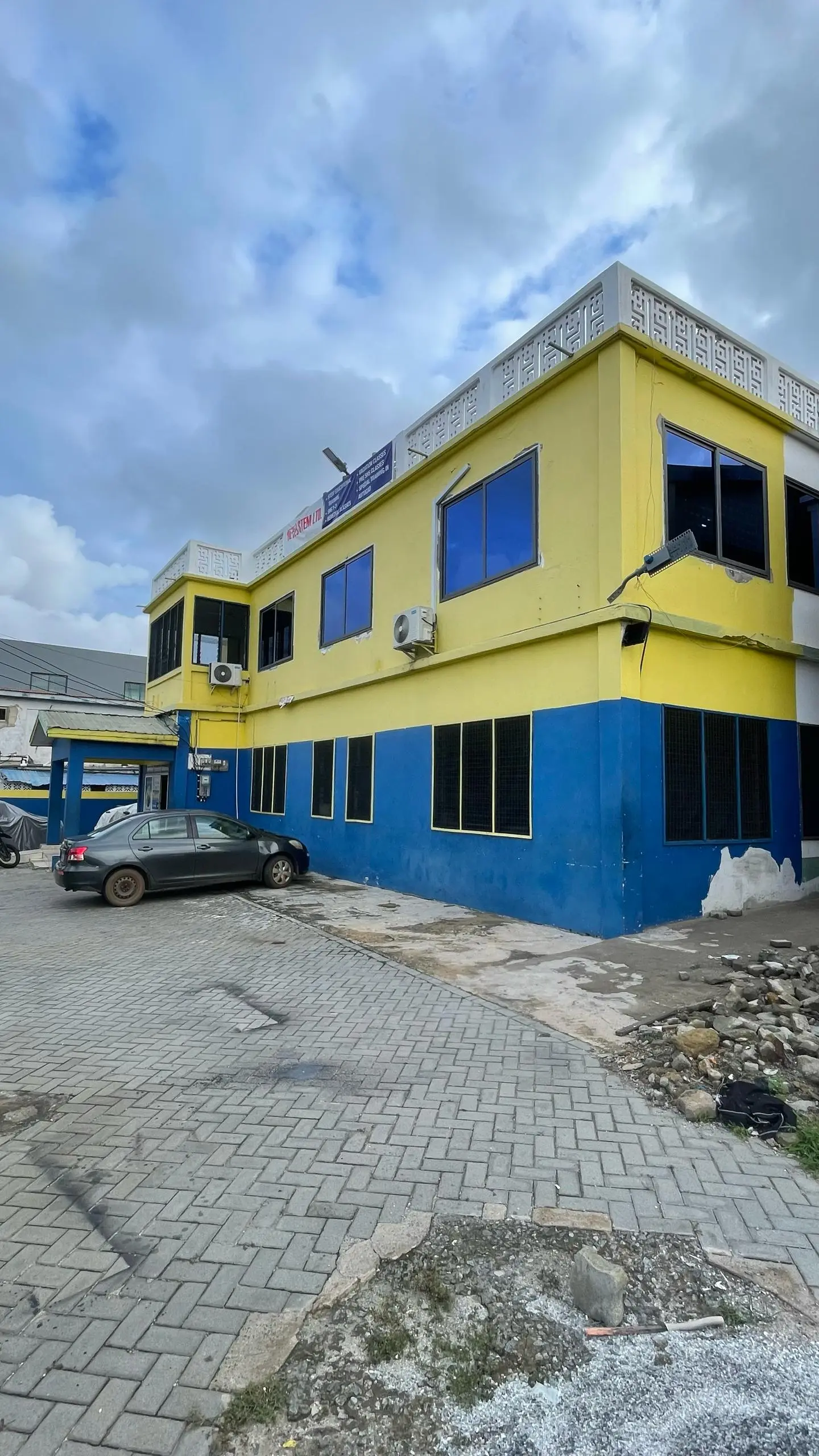
Learners work with microcontrollers (Arduino, ESP32), sensors, soldering stations, 3D printers, electronics components, design software, and prototyping tools. Our facilities are set up for hands-on project work — not lecture-only delivery.
How learners learn
Observe
Understand
Build
Test
Improve
Present
Skills developed
Critical thinking
Analysing problems, breaking them into manageable parts, and evaluating solutions before committing to a build.
Problem solving
Applying technical knowledge and creative approaches to overcome real constraints in project work.
Technical confidence
Comfort with tools, code, circuits, and design software — reducing hesitation when facing new challenges.
Teamwork
Collaborating on shared projects, dividing tasks, communicating progress, and supporting peers.
Documentation
Recording designs, test results, and improvements — a professional habit that supports learning and presentation.
Innovation mindset
Approaching challenges with curiosity, experimentation, and the willingness to iterate until a solution works.
Connected innovation work
Smart Gas Leakage Detection System with GSM Alert
A safety technology prototype demonstrating sensor interfacing, threshold alerting, and GSM communication — relevant to IoT and electronics tracks.
Read moreSmart Energy Meter Monitoring System
A distributed monitoring system showing embedded systems, data collection, and analytics — connecting classroom learning to real engineering.
Read moreSolar-Powered Wireless Phone Charger
A renewable energy prototype combining solar harvesting, battery storage, and wireless power transfer — inspiring sustainable design thinking.
Read more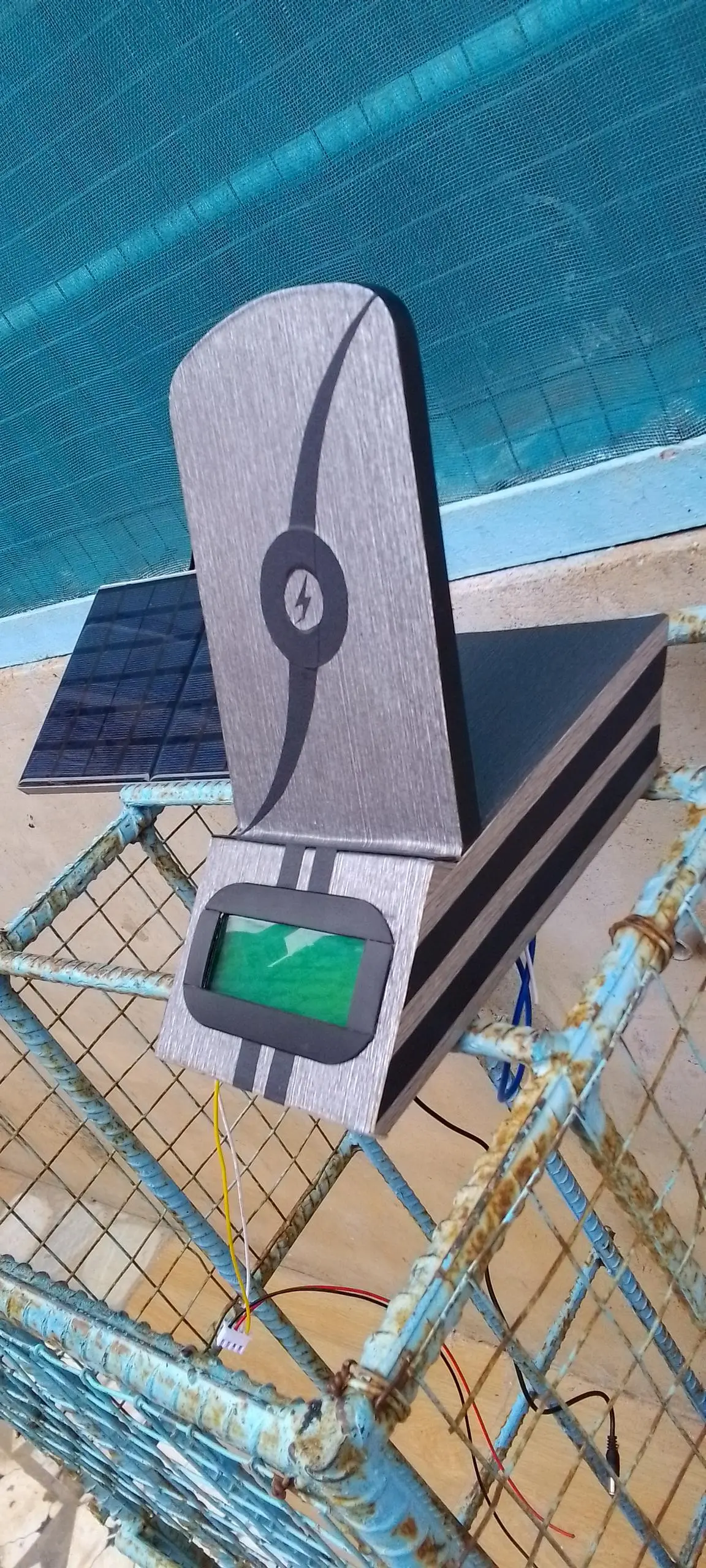
Certification
Certification arrangements vary by programme, duration, and delivery format. Certificates are issued only for programmes approved by De'FES or an authorised partner. At registration, our admissions team confirms whether your chosen pathway includes certification, the criteria for completion, and any partner endorsements. Short exposure programmes may not include formal certification — longer structured programmes typically do.
Take the next step
The next step can begin with one practical skill.
Whether you are preparing for an examination, exploring technology, developing a trade, planning a school programme, or seeking an implementation partner, De'FES is ready to support your journey.